Introduction
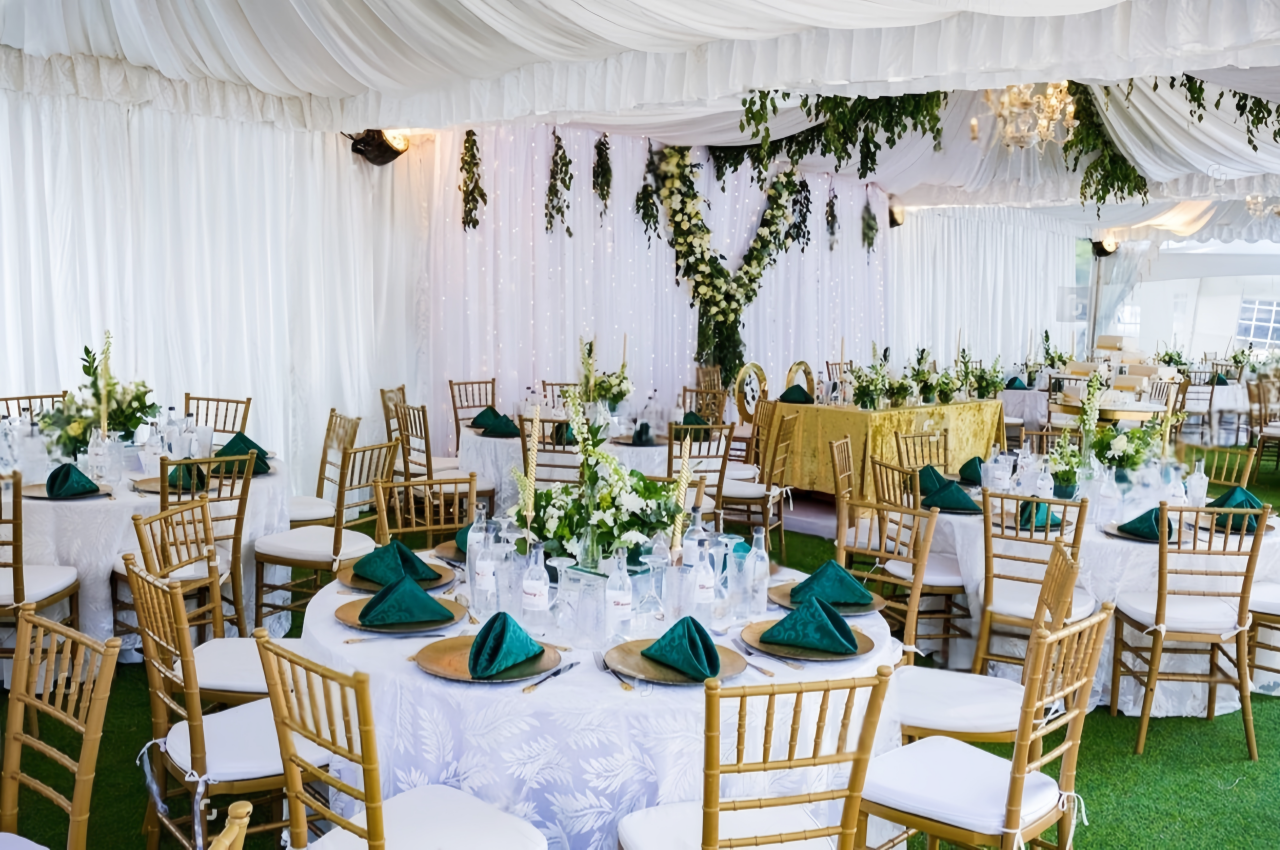
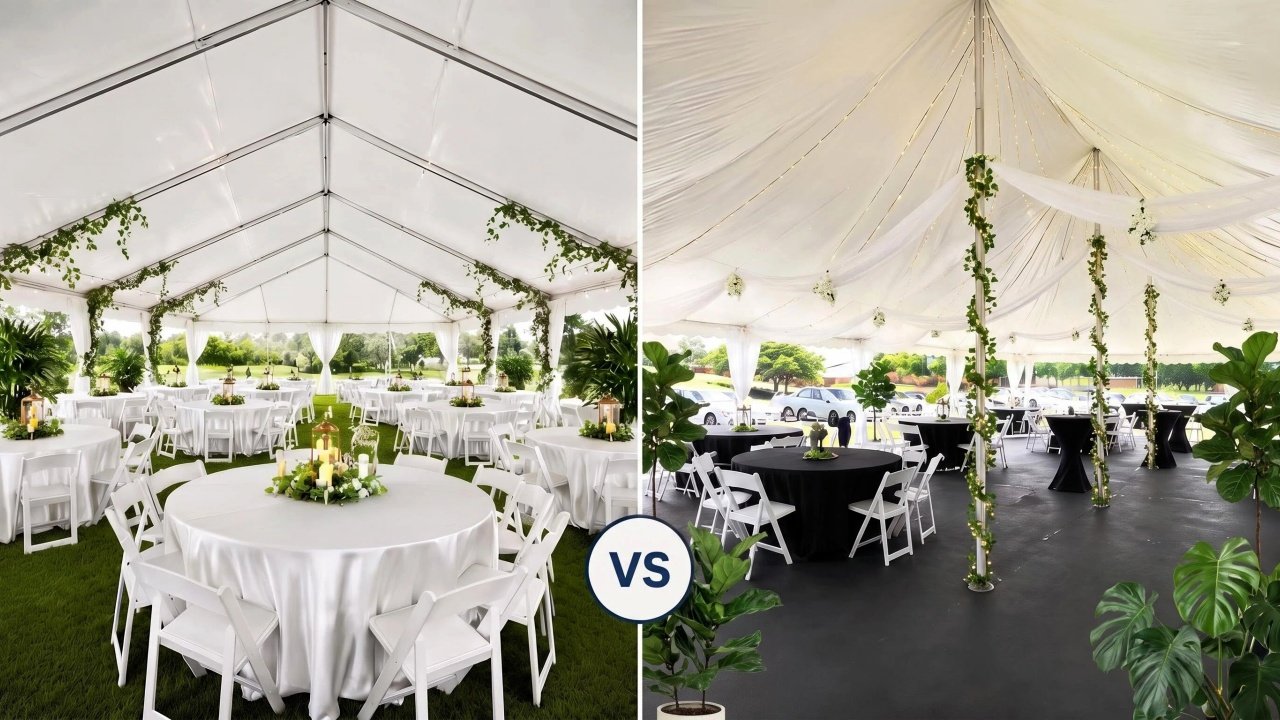
When selecting commercial tent solutions, frame tents and pole tents are two types of structures that are often compared, whether for tent rental companies, event planners, and commercial buyers. While both structures are widely used for outdoor events, their differences in structure, installation flexibility, interior space, and long-term operating costs can directly affect project efficiency and profitability.
This article will provide a detailed analysis of the key differences between frame tents and pole tents, helping you understand the main distinctions between these two structures and guide your choice based on different application scenarios.
What Is A Frame Tent?
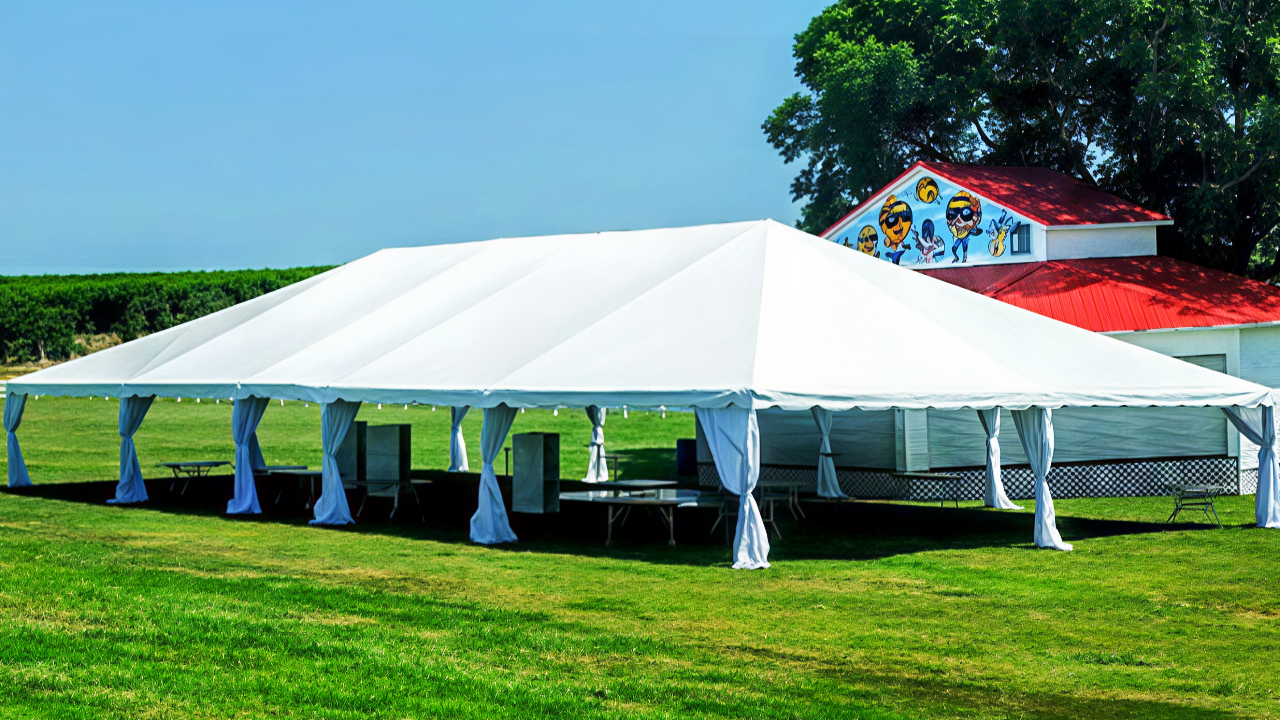
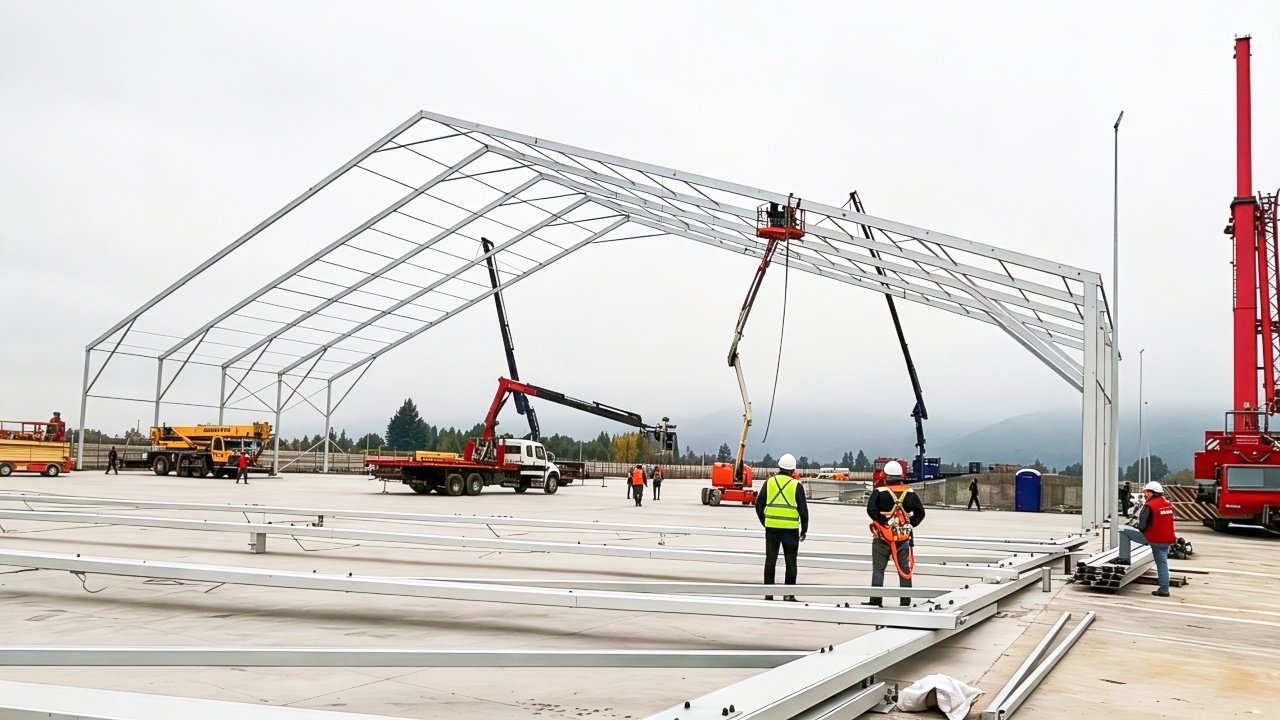
A frame tent is a temporary or semi-permanent tent system that uses high-strength aluminum alloy or steel as its primary support structure. Its frame system minimizes the space occupied by internal support structures, allowing for installation regardless of site constraints. Its structure consists of an aluminum alloy frame, roof beams, connectors, bases, and PVC tent fabric. Depending on design requirements, frame tents can include high peak tents, clear span tent structures, West Coast frame tents, etc.
What Is A Pole Tent?
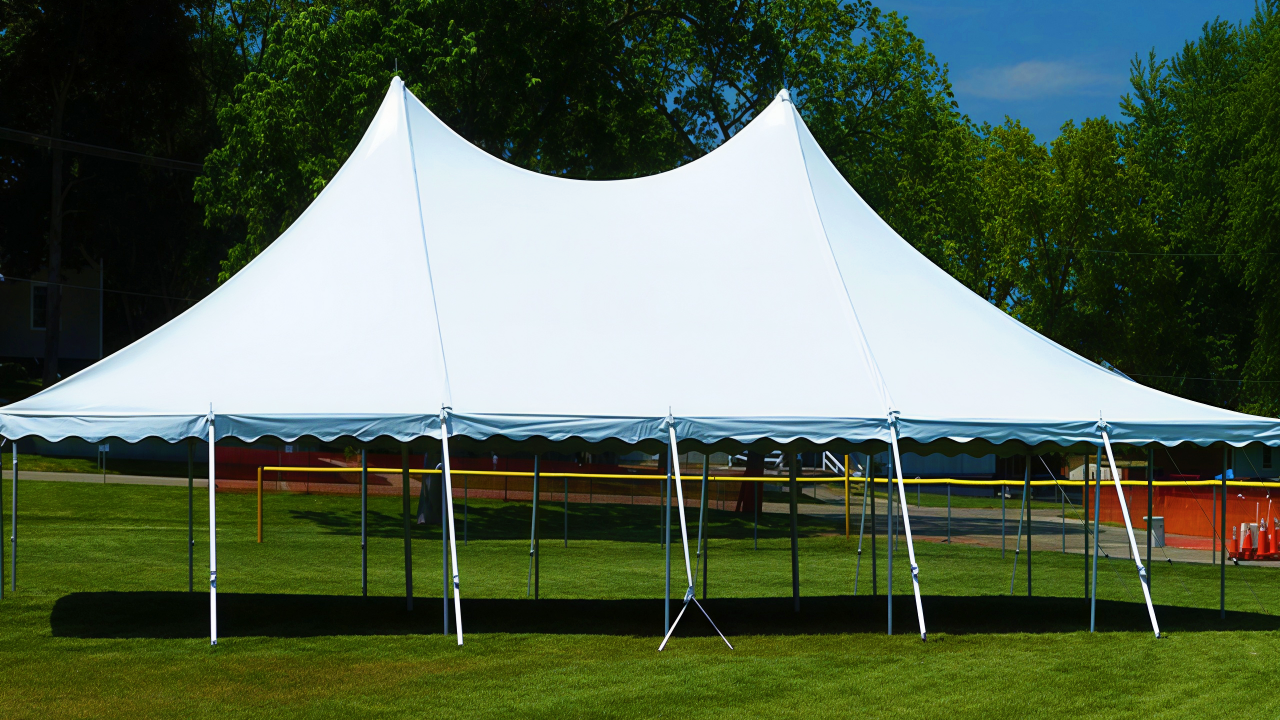
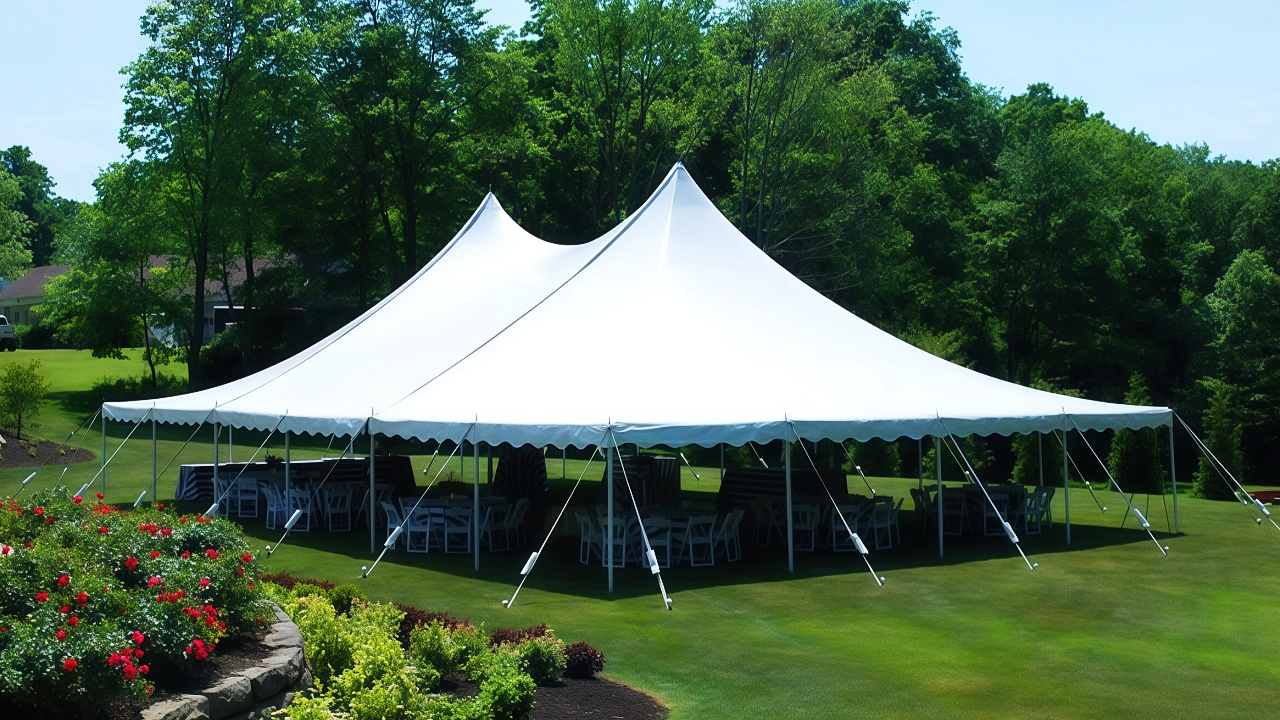
A pole tent is a type of tent that uses a central pole, side poles, and a tension system to support the canopy and create a spatial structure. It is commonly installed on grass or soft ground where stakes can be securely anchored.
With its structure formed by a central pole, side poles, and a tension system, the traditional peaked design of a pole tent exudes a classic outdoor style. However, because it relies on poles for support, the interior layout is somewhat limited.
Frame Tent vs Pole Tent: Key Differences
| Factor | Frame Tent | Pole Tent |
| Structure | Aluminum/steel frame | Center poles + tension system |
| Interior Layout | Fully open interior | Limited by center poles |
| Installation Surface | Concrete, asphalt, grass, etc. | Requires suitable anchoring ground |
| Setup Flexibility | High flexibility for different sites | More limited |
| Weather Performance | Better suited for engineered commercial structures | Depends on tension system and installation |
| Customization | High customization options | Limited customization |
| Rental Business | Suitable for repeated commercial use | Suitable for traditional events |
| Appearance | Modern and customizable | Classic peaked appearance |
Which One Is Better for Different Applications?
Different project types from buyers determine the choice of different tent structures. For commercial buyers, flexible aluminum frame tents are highly preferred, while traditional pole tents remain more popular for certain temporary events. Although pole tents usually have a lower initial purchase cost, frame tents often provide better long-term value for commercial users because they offer higher flexibility, easier customization, and better suitability for repeated installation.
For Tent Rental Companies
Recommended: Frame Tent
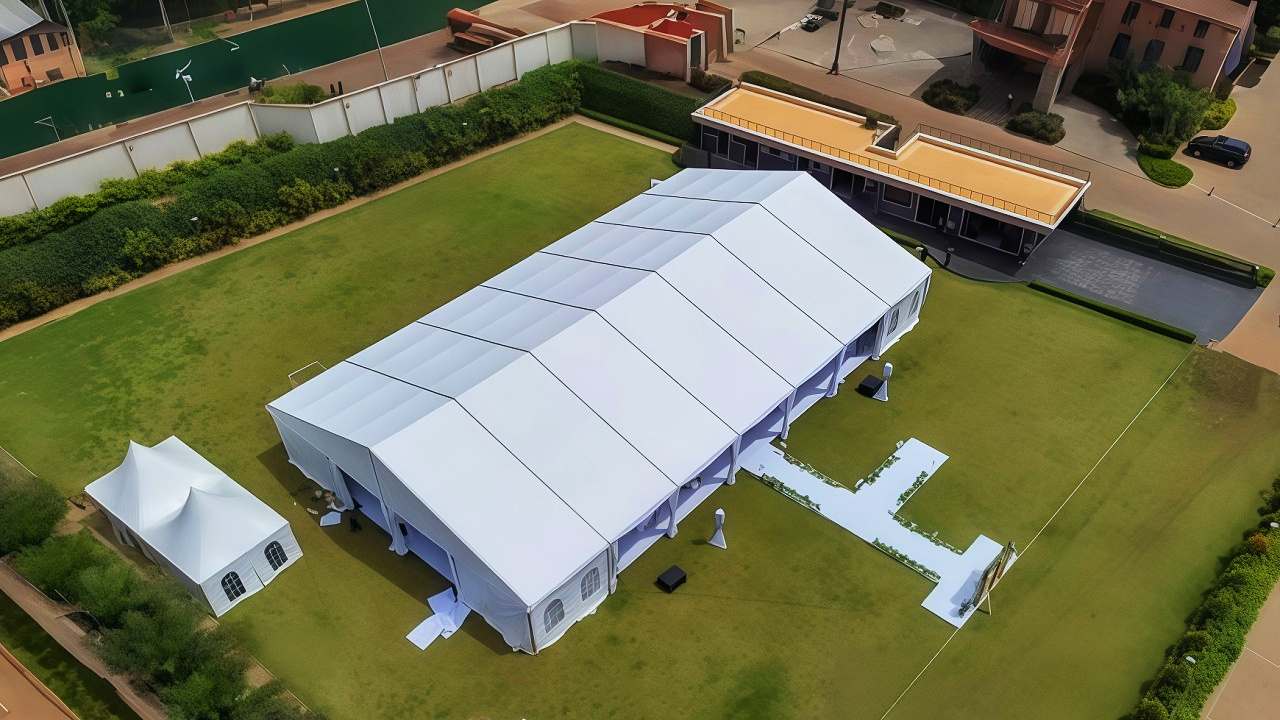
Frame tents feature a modular design that supports fast installation and dismantling, saving time when preparing for each event. The aluminum alloy frame can be repeatedly assembled and disassembled, while also providing more than ten years of service life, offering a better return on investment.
In addition, frame tents can be easily installed on various terrains while maintaining stability, even in bad weather conditions, while pole tents can only be installed on soft ground. No matter what type of event your customers are planning, frame tents can meet their needs with spacious interior space.
For Wedding Venues or Event Planners
Recommended: Frame Tent
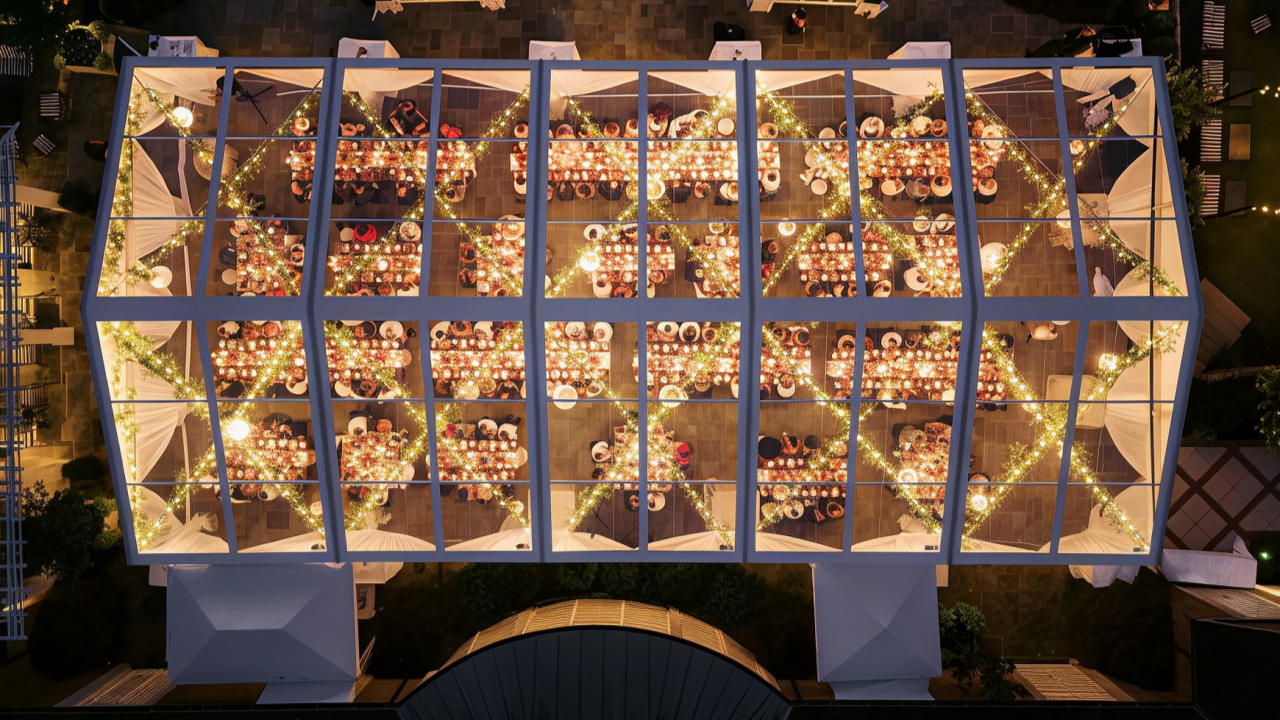
Compared with traditional wedding halls, wedding tents place more emphasis on aesthetics, comfort, and customization, and frame tents are able to meet these requirements.
Frame tents offer various customization options, providing more design possibilities for different events, including styles, materials, colors, decorative accessories, and more. Unlike pole tents, frame tents do not have interior poles that create obstacles. Instead, they are clear span structure tents that provide your customers with flexible space layouts. The aluminum frame tent structure is strong enough to support luxurious chandeliers, helping create a high-end event atmosphere.
For Hotels, Estates, and Resorts
Recommended: Frame Tent
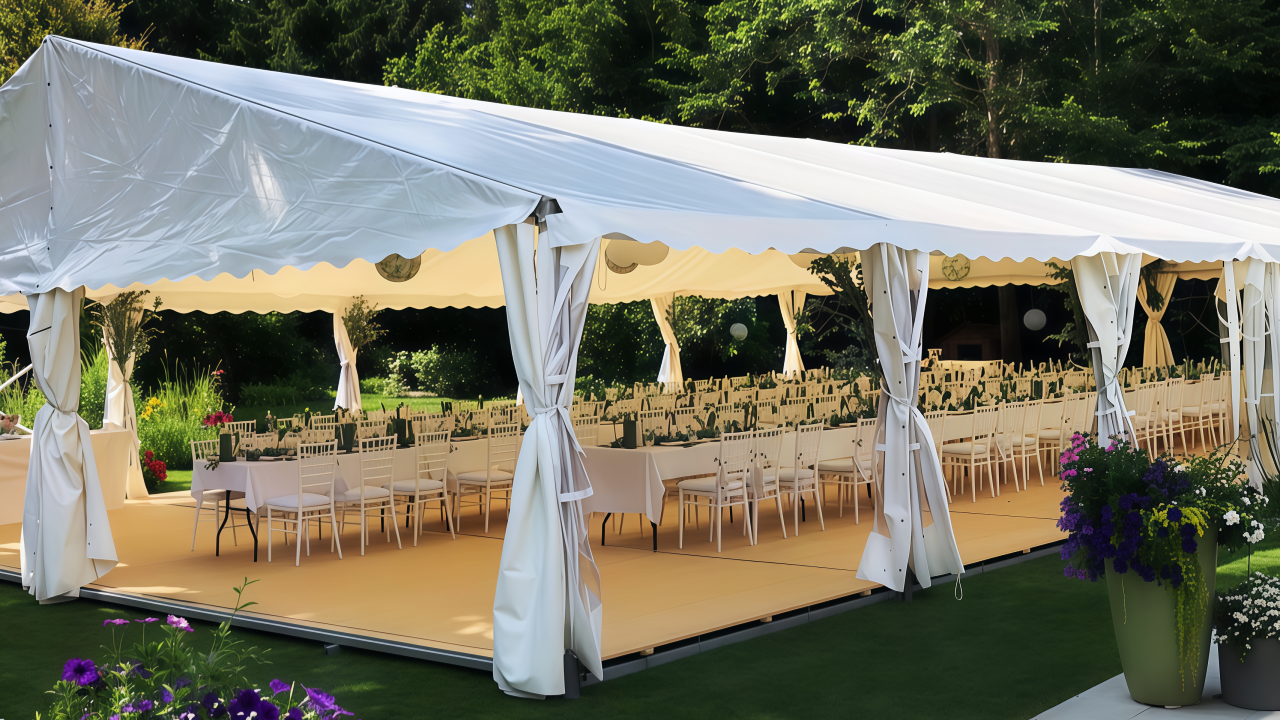
Frame tents can serve as temporary event tent structures, creating comfortable outdoor environments for your customers, whether it is a poolside dining area or a luxurious banquet hall. You can customize a suitable modular frame tent size according to your existing space, and the structure can also be relocated in the future when needed. They are more suitable for hotel, private estate, and resort projects that focus on overall aesthetics, guest experience, and long-term usage requirements.
For Tent Distributors and Wholesalers
Recommended: Frame Tent
Frame tents are a mainstream option in today’s market and are an excellent addition to a distributor’s product portfolio, especially for suppliers looking for wholesale frame tent solutions.
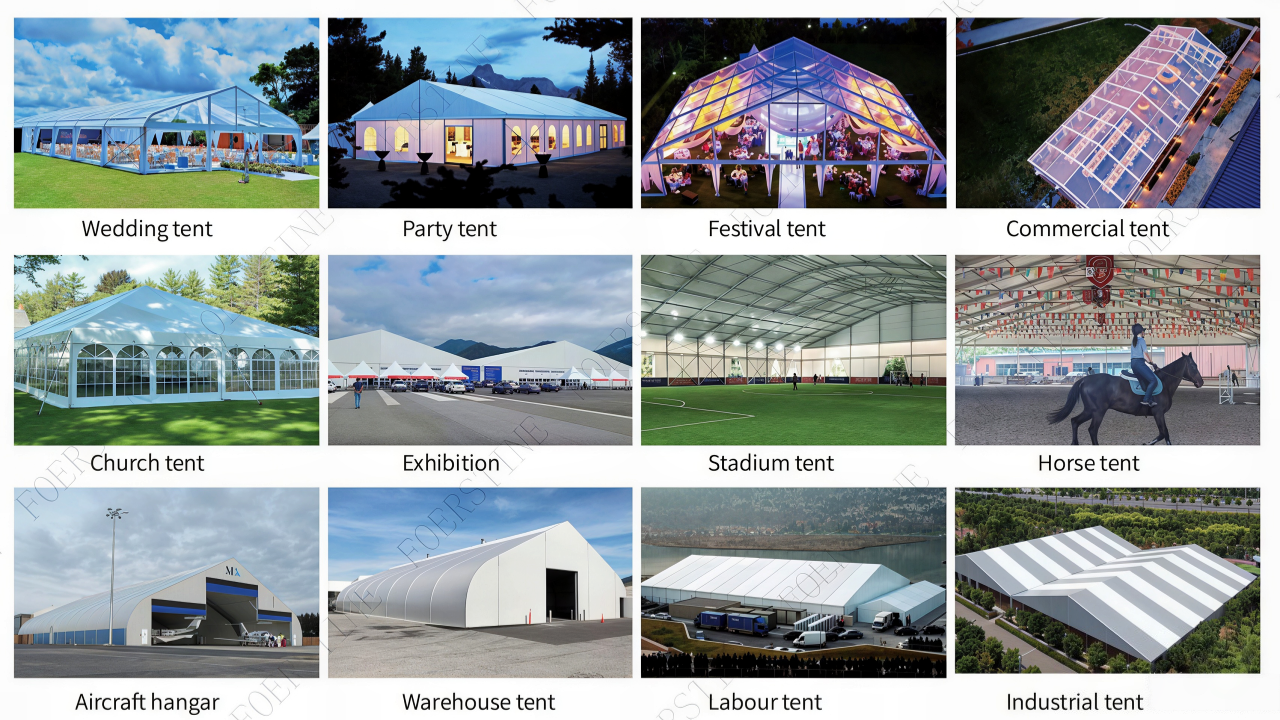
With their wide range of applications, they can meet the needs of different end customers in terms of size, configuration, and usage scenarios. Frame tents are available in a variety of styles. No matter which industry your customers come from, including weddings, estates, or industrial storage, frame tents can be customized according to your customers’ requirements to create the most suitable semi-permanent outdoor structure.
For Temporary Outdoor Events
Recommended: Pole Tent
Pole tents are commonly used for traditional outdoor gatherings, small banquets, temporary events, and similar occasions. Their classic design meets the specific event requirements for an elegant visual appearance, and they can also be installed faster compared with frame tents. In addition, pole tents are less expensive than frame tents.
How to Choose the Right Tent Structure?
To choose the right tent structure for your project, consider the following four factors:
Intended Use
First, you need to determine the primary purpose of the tent: is it for long-term commercial space expansion or for short-term event setup?
For commercial projects requiring long-term use, Frame Tents offer high space utilization, excellent structural stability, and great flexibility for future use.
For short-term outdoor events, the Pole Tent—with its traditional structure and classic appearance—can meet the setup needs of certain temporary events.
Installation Environment
The choice of tent structure must take into account the actual installation environment, including ground conditions, available space, and local weather conditions.
Frame tents can be secured using methods appropriate for different site conditions; for example, ground anchors are used on soft soil, expansion bolts on concrete surfaces, and a load-bearing system can be employed on surfaces that cannot be damaged.
Pole Tents, on the other hand, rely on central poles, side poles, and a tension system to form their structure, which imposes certain requirements on ground anchoring conditions. Therefore, it is necessary to confirm whether the installation site meets the construction requirements before making a selection.
Frequency of Use
If a tent is to be used repeatedly over the long term, special attention should be paid to structural materials, fabric performance, and long-term maintenance costs.
Frame Tents typically feature durable frames and PVC fabric, making them better suited for projects involving frequent setup and long-term use.
Pole Tents utilize a traditional tension structure design and are more suitable for certain short-term events. For projects with high frequency of use, it is necessary to comprehensively consider structural durability, ease of installation, and long-term maintenance requirements.
Customization Needs
Different projects have varying requirements for spatial layout and functional configurations; therefore, customization capabilities are also a key consideration when selecting a tent structure.
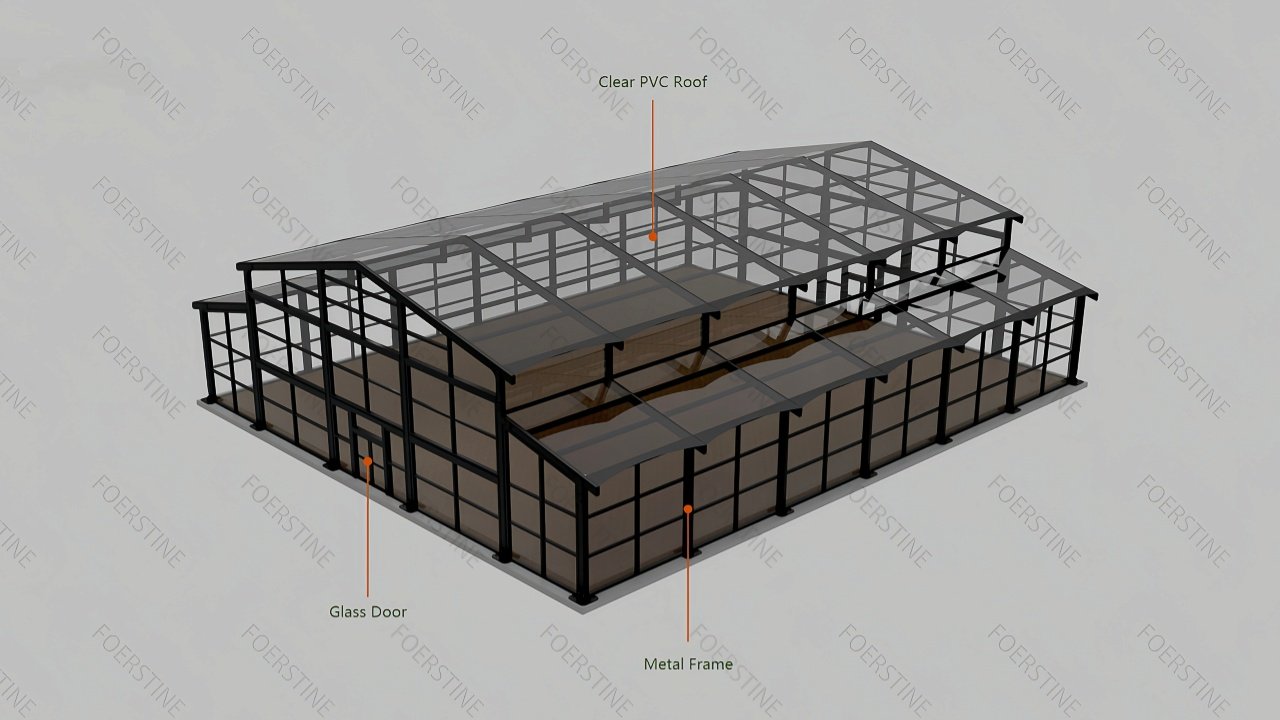
Frame Tents utilize a modular frame design, allowing for adjustments to dimensions, span, roof styles, and interior configurations based on project needs. They also support customization of walls, doors and windows, lighting systems, and other functional accessories.
For projects requiring the creation of brand showcase spaces, hotel outdoor areas, or commercial expansion spaces, flexible, customized solutions can better meet actual usage needs.
Conclusion
Frame tents and pole tents each have their own characteristics. Choosing the appropriate tent structure requires a comprehensive evaluation that takes into account the project’s purpose, installation environment, frequency of use, and customization needs. In addition to selecting the right structural type, the supplier’s manufacturing capabilities and project service capabilities will also impact the tent’s performance.
FAQs
How do you choose a reliable tent supplier?
When selecting a tent supplier frame tents or pole tents, you should focus on the following aspects:
Production Capabilities
This includes factory scale, production processes, and quality control systems to ensure that the tent structure, materials, and components meet project requirements.
Customization Capabilities
Whether the supplier has the ability to provide design and production support tailored to different project needs.
Export Experience
This includes experience with international projects, logistics coordination capabilities, and overseas delivery support to help customers complete procurement and installation more smoothly. Foerstine is a frame tent manufacturer with over twenty years of experience in tent manufacturing, providing structural design, custom production, and project services.
How long does a commercial frame tent last?
The frame material, the quality of the tent fabric, the operating environment, and installation and maintenance all affect its service life. Generally speaking, the service life of a commercial frame tent ranges from 10 to 20 years.
Is a frame tent stronger than a pole tent?
The strength of a tent depends on the frame material, structural design, connection methods, and installation environment. Frame tents, which feature a high-strength aluminum alloy frame design, generally offer better structural stability and spatial adaptability for commercial projects.
Which tent structure is better for commercial projects?
For commercial projects requiring large open spaces, flexible layouts, and long-term use, frame tents are typically the better choice; pole tents are more suitable for certain short-term event scenarios.
Can frame tents be customized in different sizes?
Yes. Frame Tent can customize the size, structure, and color of your tent, as well as features such as doors, windows, and lighting, to meet your project’s specific needs. In addition, we offer one-stop after-sales service and a team of professionals.
What accessories are typically available for both pole and frame tents?
Both pole tents and frame tents can be equipped with a variety of accessories, including lighting, sidewall features, and climate control systems. However, because frame tents have an open interior space and a sturdy structure, they are better suited for installing features such as level floors, transparent canopies, and glass walls.
How do interior poles affect event layout in a pole tent?
You’ll need to plan carefully when setting up interior poles inside the tent, as they need to be integrated into the seating arrangement, dining area, or stage layout. These poles can create natural partitions within the tent.